
"Family-owned" and "made fresh" are on the wall of almost every independent restaurant, which makes them close to meaningless as a reason to choose one.
So instead of making that argument, here are the specific, checkable differences between eating at Dinner Is Served and eating at a chain restaurant near Miami Shores.
The Menu Covers Food a Chain Doesn't Carry
The clearest difference is what's on the menu.
National chains build around dishes that can be executed identically in hundreds of kitchens. That rules out most of what we cook.
Griot - pork marinated in citrus and spices, then fried to order. Conch, or Lambi, fried or steamed. Bouillon, the traditional Caribbean soup with vegetables, meat, and dumplings. Oxtail Stew, braised until it falls off the bone. Turkey Stew, ragout dinde. Oven-Baked Chicken with Cashews, poulet aux noix. A whole red snapper, cooked fried or steamed depending on what you ask for.
You will not find that list at a chain. It's Haitian and Caribbean home cooking, and it's the core of what we do - there's more on it on our Haitian food in Miami page.
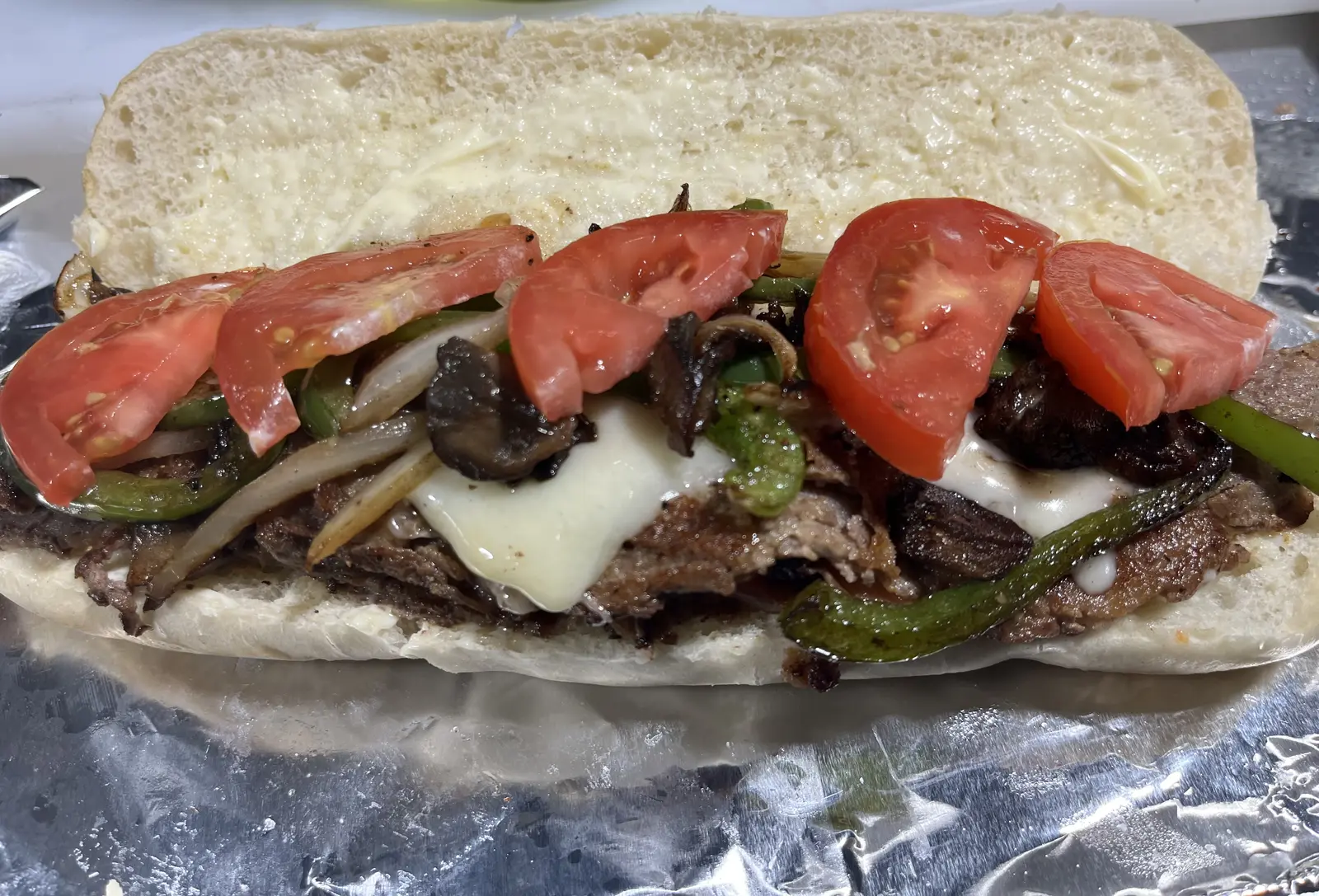
What's less obvious is that the rest of the menu is deliberately familiar. Cuban sandwiches, burgers, BLTs, tuna melts, Alfredo combos, chicken wings. That combination exists so a table doesn't have to agree before it walks in. A chain picks one lane by design; we didn't.
The Dishes Come With Actual Choices
A chain menu is a fixed list. Ours is closer to a set of decisions.
Every entrée comes with your choice of two sides from a list of twelve or so - fried plantains, sweet plantains, rice and beans, mixed rice and red beans, boiled yuca, red beans, green beans, broccoli, corn, fries, sweet baked potato, salad.
Beyond that, several dishes are cooked the way you ask:
- Conch and whole snapper - fried or steamed
- Shrimp Creole - fried or steamed
- Chicken wings - tossed plain, BBQ, or lemon pepper
- Creamy chicken - with mushrooms or spinach
- Spaghetti - with ground beef or herrings
- Loaded potato - regular or sweet potato, griot or chicken
- Breakfast platter - eggs any style
Those aren't upsells. They're the same price either way. They exist because the food is cooked when you order it, which means the choice costs the kitchen nothing but attention.
There's a Patio, and You Can Have It
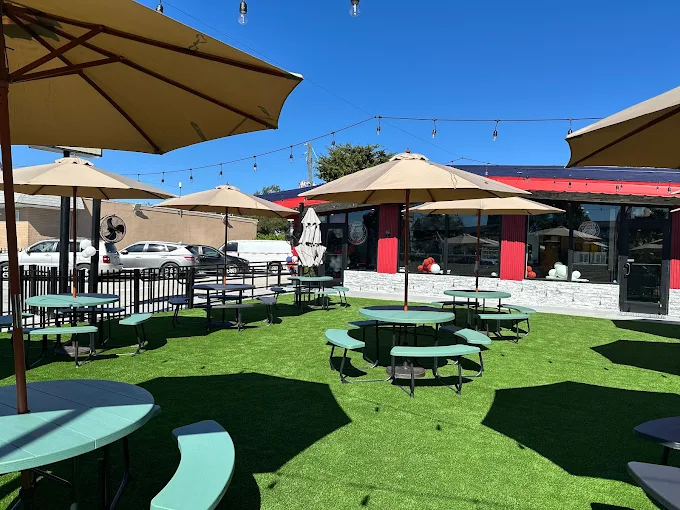
Behind the restaurant is a renovated outdoor patio with picnic tables, umbrellas, and string lights.
Most days it's simply the nicer place to eat. But it's also bookable: we host private events there for up to 50 guests - birthdays, family gatherings, corporate dinners, church groups, networking events, holiday parties - and we can arrange karaoke or live Caribbean music. Eligible bookings with karaoke or live music currently get 10% off.
That's a concrete thing a neighborhood restaurant can offer that a chain location generally can't. The space isn't a corporate asset with a standardized events policy; it's our patio, and what happens on it is negotiable.
The Hours Are Set for This Neighborhood
We're open Monday through Saturday, 8:00 AM to 10:00 PM - one continuous stretch, breakfast through dinner, no midday close.
That's a response to where we are. NW 95th Street runs past North Shore Medical Center, so a meaningful share of the people around us work shifts, not office hours. Opening at 8:00 AM serves the person coming off an overnight shift as much as the one heading into a morning one, and staying open to 10:00 PM catches the other end of the same day.
Related: eating near North Shore Medical Center.
The Offers Are Aimed at Neighbors, Not Quarters
Chain promotions are national campaigns. Ours are local, and two of them are specifically about the people nearest to us. From the deals page:
- Community Appreciation Wednesdays - healthcare workers and first responders get 15% off orders over $10 every Wednesday, with a badge or in uniform
- Rewards - buy 8 qualifying entrées, get the 9th free, on a card you ask for at the counter
- $5 off your first order of $15 or more
- 10% off eligible karaoke or live-music event bookings
A punch card and a hospital-shift discount are small things. They're also the kind of small things that only make sense when the restaurant and the neighborhood are the same conversation.
You Can Reach the Restaurant Directly
If you have a question about a dish, a large order, a dietary restriction, or an event, you can call (786) 637-2289 and talk to the restaurant.
Same with ordering: our online ordering goes straight to us, not through a platform sitting in between. More on why that matters when you're picking up: why order directly.
Come Judge for Yourself
None of the above is an argument that chain restaurants are bad at what they do. They're extremely good at delivering the same thing everywhere.
We're offering the opposite of that: a Haitian and Caribbean kitchen with a Latin and American menu around it, cooked to order, on a patio in your neighborhood.
Dinner Is Served
1001 NW 95th Street
Miami, FL 33150
(786) 637-2289
Open Monday through Saturday, 8:00 AM to 10:00 PM